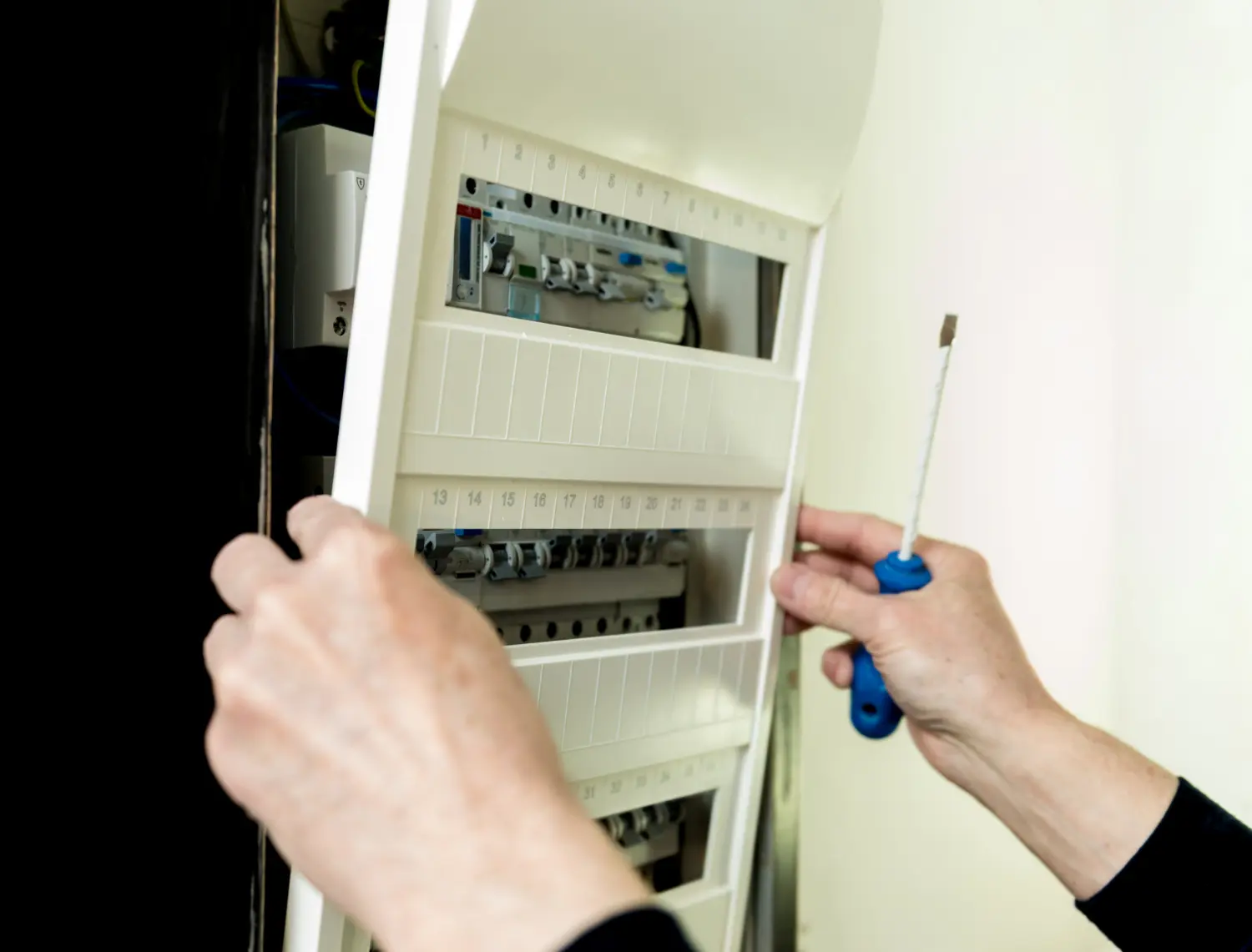
Heat damage, a broken enclosure, unreliable protective devices and insufficient space for planned circuits can all justify a fuse-board assessment. An older board does not automatically need replacing: its condition and the protection it provides matter more than its appearance. Here is how to recognise warning signs and decide what to ask an electrician.
Heat, scorching or a burning smell
Brown marks around switches, melted plastic and an acrid smell near the consumer unit need urgent attention. A loose termination can become dangerously hot without immediately operating a circuit breaker. Do not remove the cover, touch suspected hot parts or try tightening connections yourself.
If you see smoke or fire, leave the property and call 999. For other warning signs, stop using the affected equipment and arrange urgent professional help; isolate the supply only if you can reach the normal switch safely. An electrician needs to establish whether damage extends to incoming connections and circuit cables.
Old fuses and missing shock protection
Rewireable fuses protect against excessive current, but do not provide the same additional electric-shock protection as an RCD. A board without an obvious test button is worth discussing with an electrician, although other protective devices may exist elsewhere in the installation.
Electrical Safety First’s September 2026 consumer-unit guide makes an important distinction: older fuses, a plastic enclosure or the absence of an integral RCD do not, individually, make replacement compulsory. Assessment may identify another suitable way to improve protection. Never substitute thicker fuse wire to prevent a fuse blowing.
Are you considering fuse board replacement?
Bury Electrical Specialists provides fuse board replacement and other electrical services throughout the following areas:
Practical checklist
- Stop using heat-damaged equipment.
- Do not open the consumer-unit cover.
- Keep previous inspection records available.
Repeated trips need a diagnosis first
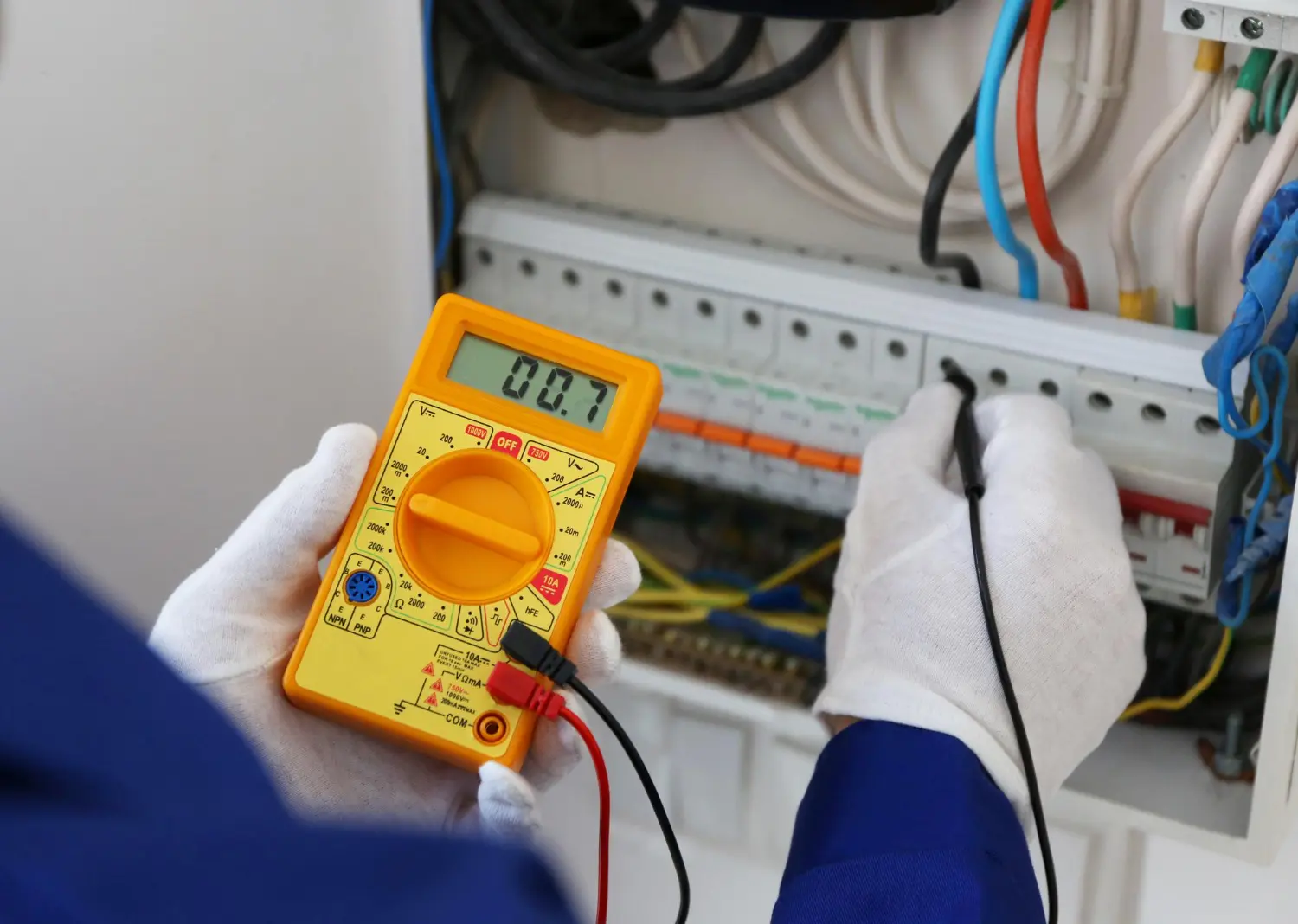
A switch that trips repeatedly may be responding correctly to a damaged appliance, moisture or faulty wiring. Replacing the board without finding the cause can leave the original problem unresolved. Note which switch operates, what was running and whether rain or a particular appliance seems connected.
For unexplained interruptions, electrical fault finding can distinguish a circuit problem from a defective protective device. The purpose of testing is to decide which repair will make the installation safe, rather than assume every interruption means the entire board is worn out.
Damage and unsuitable additions
Missing covers, broken blanks and exposed openings compromise an enclosure’s protection. Improvised additions around a board also deserve inspection. You should be able to reach the main switch without moving heavy furniture or leaning over stored belongings.
A planned kitchen or home office can change circuit requirements. Spare spaces alone do not prove the board or incoming supply can accept additional demand. Ask for an assessment of circuit capacity, earthing, bonding and the condition of the installation before choosing equipment.
What current research tells homeowners
The IET’s April 2026 survey found that 5.9% of respondents admitted ignoring warning signs, including burning smells, buzzing and flickering lights. This measures reported behaviour, not the proportion of fuse boards needing replacement. Read the IET’s 2026 electrical safety findings.
Act on changes in behaviour: new noises, intermittent supply or discolouration should prompt inspection even if a board has worked for years. Keep previous certificates available so the electrician can compare the current arrangement with the recorded installation.
Replacement or a wider upgrade?
A consumer-unit upgrade renews distribution and protective equipment; it does not renew cables throughout the house. Where testing reveals damaged insulation or unsuitable circuits, targeted repairs or electrical rewiring may be required alongside the board work.
Ask for a written explanation of the findings, proposed devices and any additional remedial work. A clear scope separates essential safety repairs from optional improvements, such as arranging circuits to reduce disruption from a single fault. That makes competing quotations easier to compare.
Sources and further reading
Guidance checked on 4 November 2026. Figures retain the dates and scope of their original sources.
Summary
A damaged or overheating fuse board needs prompt attention, while age and appearance call for informed assessment. For your home in Bury St Edmunds, ask Bury Electrical Specialists to check the board and explain whether replacement, repairs or improved protection is appropriate.