
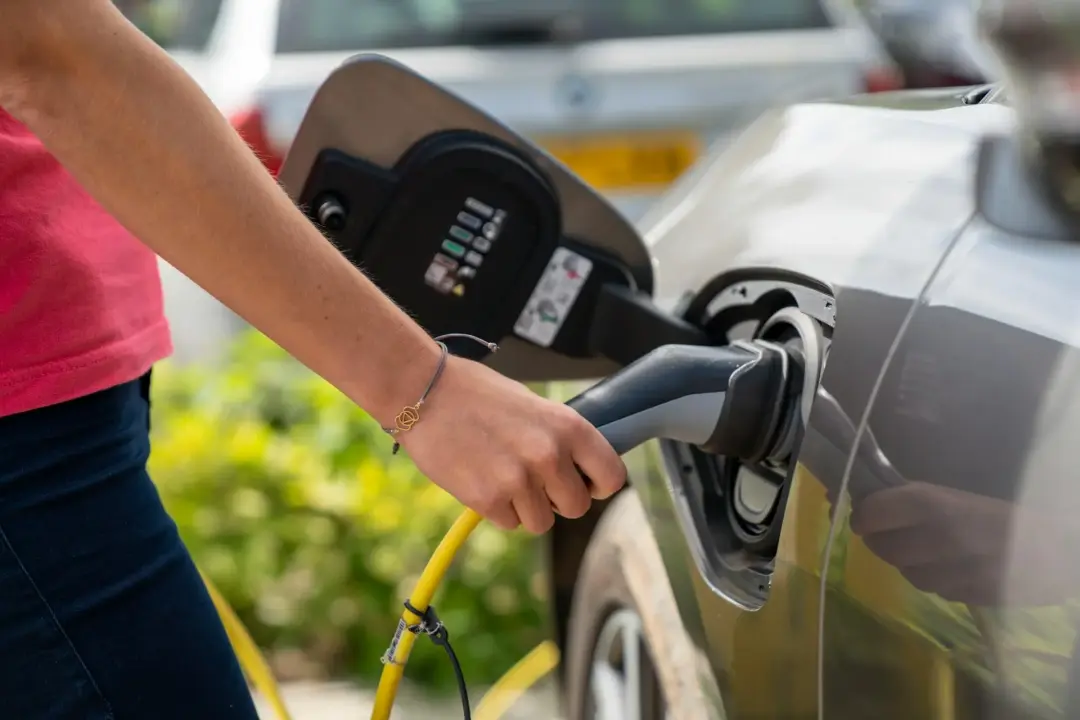
Wondering What Type of EV Charger Should You Install at Home? Choosing the right EV charger for your home can make a real difference to how easy, safe, and cost-effective charging your vehicle can be. From tethered and untethered chargers to smart features and charging speeds, there are a few things to think about before booking an installation.
Why Choosing the Right EV Charger Matters
Choosing the right EV charger matters because not every home, vehicle, or driver has the same needs. An EV charger should suit your car, your parking space, your electrical supply, and the way you travel day to day. Getting this right can make charging your vehicle at home easier, safer, and more useful. For most UK homes, a wall-mounted charger is a good choice since it's built for repeated EV charging and can usually charge faster.
A qualified installer can check whether your home’s electrical system is suitable and place the charger where it can be used safely. Choosing the right EV charger can make charging your vehicle easier, and it gives you more control over how and when you charge.
The Main Types of Home EV Chargers
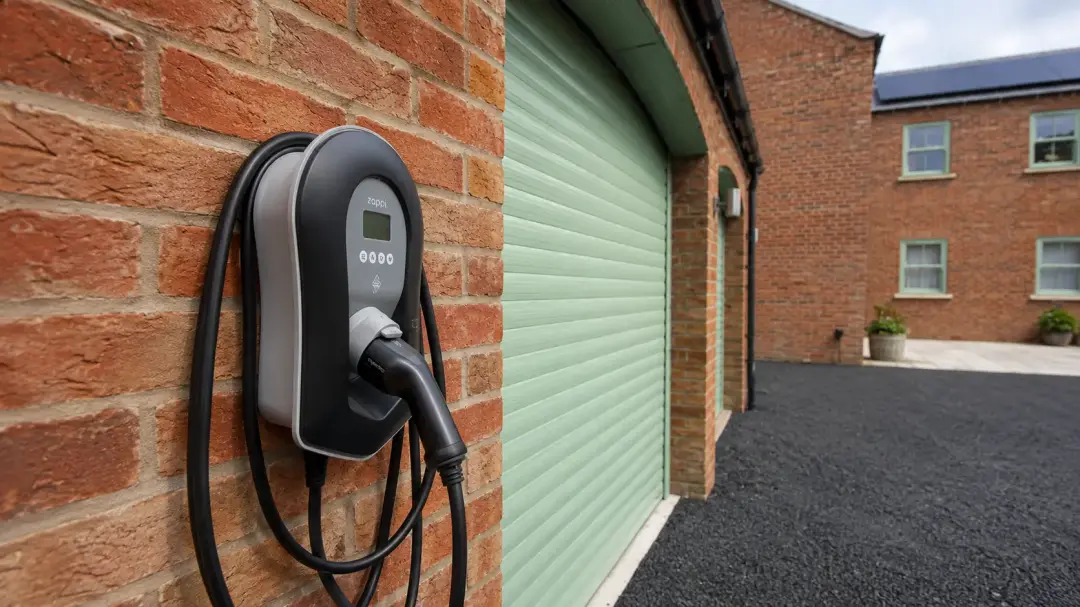
The main types of home EV chargers are usually grouped by power, cable style, and smart features. Most drivers with off-street parking choose to have a wall-mounted charger installed near their driveway, garage, or private parking space. A common option is a 7kW home charger, which is suitable for many homes with a single-phase electrical supply. This type of charger is often used for overnight charging.
Some homes may be suitable for a higher-powered charger, such as a 22kW unit, but this usually needs a three-phase electrical supply - which is often less common in normal homes. EV chargers can also be tethered or untethered. A tethered charger has a charging cable attached, which makes it quick to plug in. An untethered charger has a socket, meaning that you use your own cable.
Many modern home EV chargers are also smart chargers, which include features such as app control, timed charging, energy tracking, and support for off-peak charging.
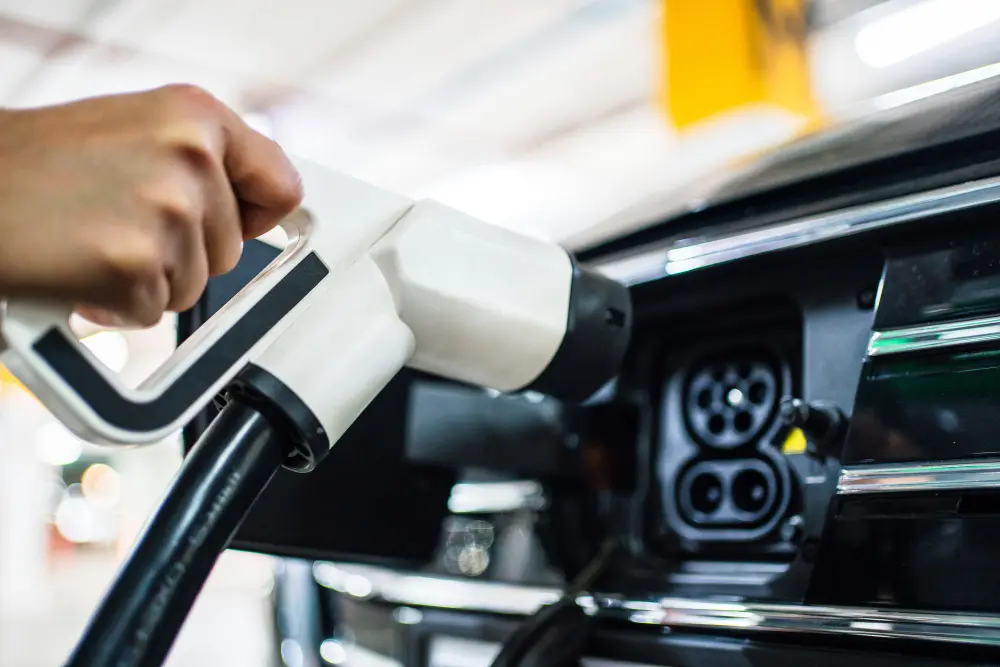
Slow Chargers: Are They Suitable for Home Use?
Slow chargers can be suitable for homes in the UK, but they are not always the most practical choice. A slow charger usually refers to charging from a standard three-pin plug or a low-powered charging unit, which can work for occasional charging, short journeys, or drivers who only need to add a small amount of charge overnight.
The main benefit of this type of charger is that it can be ideal if your daily mileage is low and the car is parked for long periods of time. For example, if you only use your electric vehicle for local trips, you may not need a fast charger. However, a slow charger takes longer than a home EV charger, which is why many drivers often use it as a backup.
Fast Chargers: A Popular Choice for Home Charging
Fast chargers are a popular choice for home EV charging because they provide a good balance between charging speed, cost, and daily convenience. For many homes, this usually means installing a 7kW wall-mounted charger, which is much quicker than using a standard three-pin plug. This matters because most drivers want their car ready for the next day without having to think too much about it.
Fast chargers are designed for regular EV charging, so they are a more suitable long-term option than relying on a normal socket. Many fast home chargers also include smart features, such as timed charging, app control, and energy use tracking, which can help drivers charge during off-peak hours.
Tethered EV Chargers Explained
A tethered EV charger has a charging cable that's permanently attached to the unit. Instead of getting a separate cable out each time, you simply unwind the fitted cable and plug it into your electric vehicle. For many drivers, this makes charging their vehicle quicker and easier, especially during busy hours.
Tethered EV chargers work by connecting the charger to your home’s electrical supply, so when you plug the cable into the vehicle, the charger and car communicate to control the charging process safely. The charger then supplies power to the car’s battery at the correct rate, depending on the charger, the vehicle, and your home’s electrical setup.
Untethered EV Chargers Explained
An untethered EV charger doesn't have a cable that's permanently attached. Instead, it has a socket on the unit, and you plug in your own charging cable when you want to charge your vehicle - making it a neat and flexible option for many homes. It works by connecting to your home’s electrical supply so that when you plug your cable into the charger and then into the car, the charger and vehicle communicate to manage the charging safely.
One of the main benefits of an untethered charger is its flexibility. If you change your electric vehicle in the future, you may only need to buy a different cable rather than a whole new charger. However, the main downside is that you need to get the cable out every time you want to charge your vehicle - which can become a hassle over time.
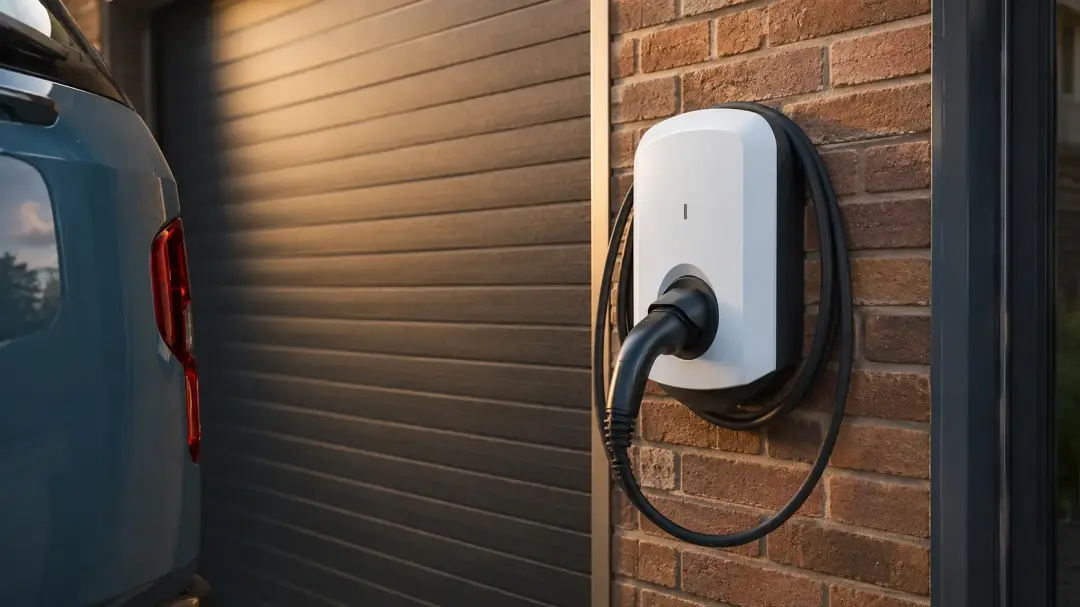
Smart EV Chargers and How They Work
A smart EV charger is a home charging point that connects to the internet through Wi-Fi, mobile data, or an Ethernet cable. This lets you control and monitor your charging through an app or online account.
With a smart EV charger, once your car is plugged in, the charger will send power to the battery while allowing you to manage how and when the charging occurs.
Many smart chargers also let you set your own charging times, view your energy use, and check whether the car is charging from your phone. This is useful because you can schedule your charging times around your routine.
For example, you can plug your vehicle in when you get home but set the charger to start charging later in the evening, during off-peak hours.
Single-Phase and Three-Phase Charging
Single-phase and three-phase charging refers to the type of electrical supply that's used to power an EV charger. In the UK, most homes have a single-phase supply, which is the standard setup for many domestic properties and is usually suitable for a 7kW home EV charger.
A single-phase charger works by drawing power from one electrical phase, and for most drivers, this is often enough for overnight charging and normal daily use.
Three-phase charging uses three electrical phases instead of one, which can support higher charging speeds of up to 22kW. However, a three-phase charging supply is more common in commercial buildings and larger homes, rather than standard houses.
How Your Car Affects Charger Choice
Your car has a big effect on which EV charger is the best choice for your home. This is because every electric vehicle has its own charging limits, battery size, and connector type. An EV charger may be powerful, but your car will only charge at the speed it's designed to accept. For many UK homes, a 7kW EV charger is a common choice because most domestic properties have a single-phase electrical supply.
The charging connection also matters because most modern electric vehicles use a Type 2 connection for home charging. You should also think about any future cars. If you plan to change your electric vehicle later on, choosing a charger with smart features and flexible cable options may be more practical.
How Your Home Power Supply Affects Installation
Your home's power supply can affect your EV installation because the charger needs to have enough electrical capacity to work safely. Most homes have a single-phase supply, which is usually suitable for a standard 7kW home EV charger, which is a common choice for everyday charging.
Before installing the charger, a qualified installer should check your fuse board, wiring, earthing, and main incoming supply to help confirm whether your home can handle the extra demand from regular EV charging.
If the supply is already under pressure from other high-use items, such as electric showers, ovens, heating systems, or hot tubs, the installer may recommend that you make some changes. This is important because an EV charger should not overload your home’s electrical system.
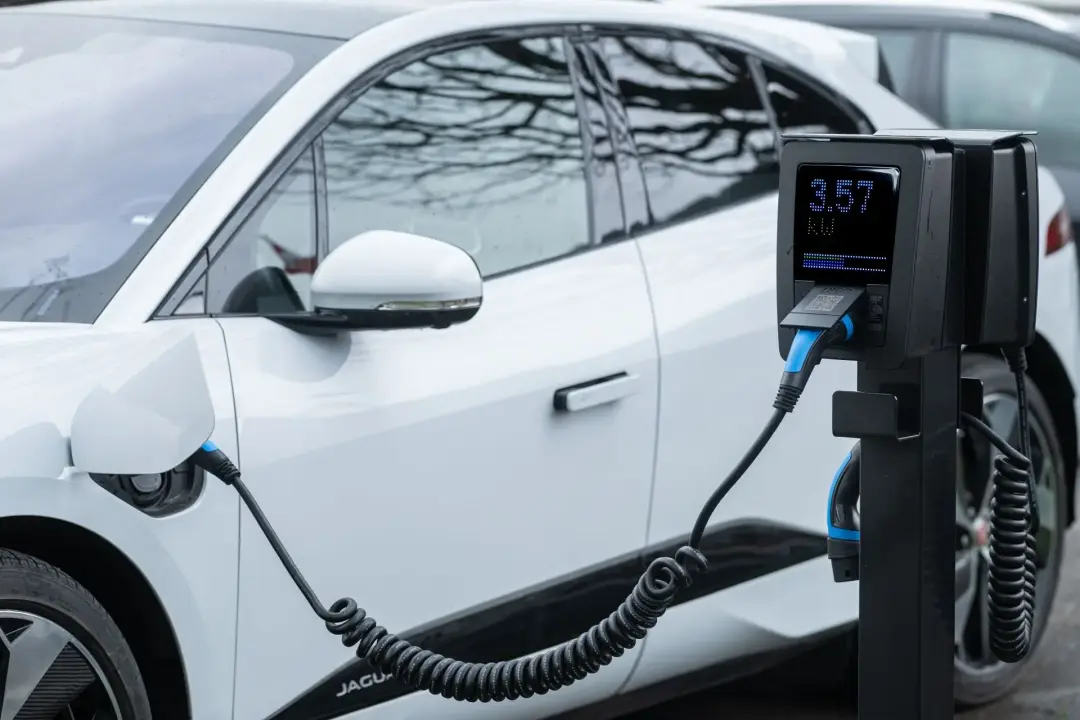
Charging Speed and Daily Driving Needs
Your charging speeds and daily driving needs play a big part when it comes to choosing the right EV charger for your home. The more miles you drive each day, the more useful a faster charger can be.
If you only use your electric vehicle for short local trips, a slower charging setup may be enough. But if you commute, travel for work, or often make longer journeys, a faster home EV charger can make your daily life much easier.
Your car also affects the EV's charging speed. Even if you install a powerful charger, the vehicle will only charge at the rate it can accept, which is why it is important to match the charger to both your car and your routine. Choosing the right charging speed can help you avoid long waiting times, last-minute public charging, and a range of other worries.
Safety Features to Look For
When you're thinking about installing an EV charger, the safety features should be one of the first things you look at. A good EV charger should be designed for regular use and installed by a qualified electrician. This ensures that your home’s wiring, fuse board, earthing, and power supply are thoroughly checked.
One important feature to look for is built-in fault detection. This feature helps the charger shut down or stop charging if it senses an electrical problem. Overload protection features are also useful because they help stop the charger from drawing more power than your home can handle. Weather protection matters too, especially if the charger is fitted outside on a driveway or wall.
Some smart chargers also include load balancing features, which adjust the charging if other high-use appliances are running, which helps reduce the risk of tripping circuits.
Cost, Grants and Long-Term Value
The upfront cost, grants, and long-term value can all affect which EV charger you choose to have installed. The upfront price can vary depending on the charger's model, cable type, smart features, and how much installation work is needed. It's also worth checking whether any grants or support schemes are available since they can affect the final cost.
The EV charger's long-term value also matters too. A cheaper charger may seem appealing, but it might not offer the features you need later on, such as smart charging, energy tracking, and off-peak scheduling. The best choice isn't always the cheapest option; it's the charger that suits your car, your home, and your daily routine.
Professional Installation and Home Checks
Before fitting anything, a qualified installer will look at your home’s power supply, fuse board, wiring, earthing, and where the car is parked. This helps them decide what charger is safe and practical for your property. Most homes have a single-phase supply, which often suits a 7kW charger.
However, some homes may need extra work done before the installation, especially if the electrical system is old or already supports high-use items like electric showers, ovens, or heating systems.
The installer will also check where the charger can be fitted. This is because the cable should be able to reach the vehicle safely without crossing public paths or creating a trip risk. This can affect whether a tethered or untethered charger is the better choice. A professional inspection can also determine whether smart features, load balancing, or extra protection are needed. This matters because the charger should not overload your home or cause regular circuit tripping.
Which EV Charger Is Best for Your Home?
To decide which EV charger is best for your home, you should start by looking at how you use your car every day. If you drive often or cover longer distances, a faster home charger, such as a 7kW unit, can make charging your vehicle much easier. If you only drive short local trips, you may only need a slow charger.
You also need to think about whether you want a tethered or untethered charger. A tethered charger is handy because the cable is attached, while an untethered charger can look neater and offer more flexibility.
Smart features are also worth considering, too. This is because app control features, timed charging, and energy tracking can help you manage your costs and charge your vehicle during off-peak times.
Bury Electrical Specialists provides professional EV charger installation services for homes and businesses in Bury St Edmunds, Newmarket or Stowmarket. Our team can safely install reliable charging points that are designed to help you charge your vehicle with less hassle.
Related Articles
The Benefits of Installing an EV Charger at Home