
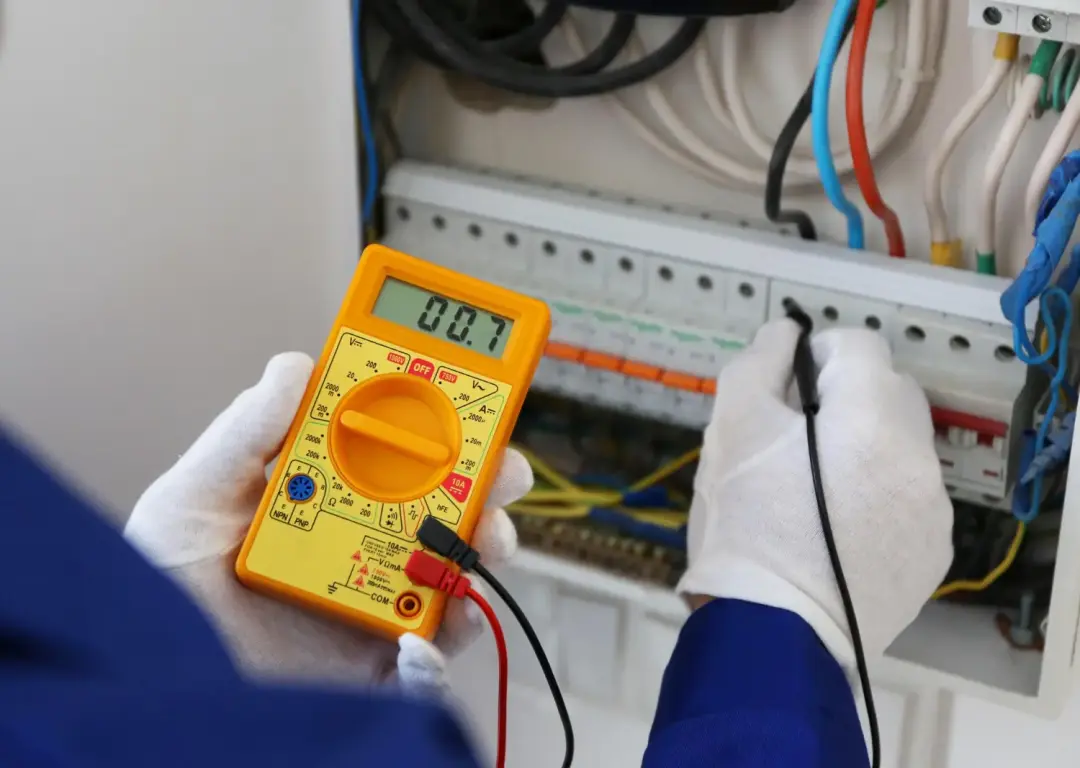
Electricity usually trips because a protective device detects excessive current or leakage from the intended circuit. Common causes include faulty appliances, overloaded circuits, moisture and damaged wiring. The switch that operates and the circumstances give useful clues, but repeated resetting does not repair the underlying fault.
Which device has operated?
A miniature circuit breaker responds to excessive current, including overloads and short circuits. An RCD responds to an imbalance between current flowing out and returning, which can indicate leakage to earth. An RCBO combines both functions. Some boards use one RCD for several circuits.
Read labels from the outside and record which switch moved. Several rooms losing power does not necessarily mean several independent faults. If the whole property loses electricity without a protective device operating, the issue may involve the external supply rather than an internal circuit.
Appliances can fail during operation
Kettles, washing machines and immersion heaters can develop insulation or component defects. Some faults appear only when a heater warms, a motor starts or a programme reaches a later stage. The appliance running at the time is a clue, not a confirmed diagnosis.
Where safe, stop using a suspect plug-in appliance and unplug it without touching damaged or wet equipment. Do not keep trying it in different sockets. Record its make, model and operating stage, and check manufacturer safety information or recall notices. Tell the electrician what you observed.
Are you considering electrical fault finding?
Bury Electrical Specialists provides electrical fault finding and other electrical services throughout the following areas:
Practical checklist
- Record the device and time of each trip.
- Leave persistent faults switched off.
- Never bypass a protective device.
Overload differs from earth leakage
Several high-power loads on one circuit can exceed its capacity. An extension block adds sockets, not electrical capacity, and connecting extensions together increases misuse risks. A breaker’s response time depends partly on the size of the excess current.
The IET’s 2026 household study found that 18.3% of respondents daisy-chained extension leads. This measures behaviour, not the share of trips caused by overloads. Read the IET’s April 2026 findings. If socket provision is inadequate, ask about a designed improvement rather than fitting a higher-rated breaker.
Rain and leaks can expose defects
Water entering a light, damaged cable or outdoor connector can trigger earth-leakage protection. A trip after rain makes external equipment worth investigating, but an indoor leak or damp appliance can produce similar symptoms. Record weather and automatically operated equipment.
Keep away from wet electrical equipment. Existing garden lighting warrants inspection if interruptions follow its use or wet weather. A wall switch being off may not remove every fault path. Leave diagnosis and safe disconnection to the electrician instead of opening fittings.
Wiring and combined leakage matter
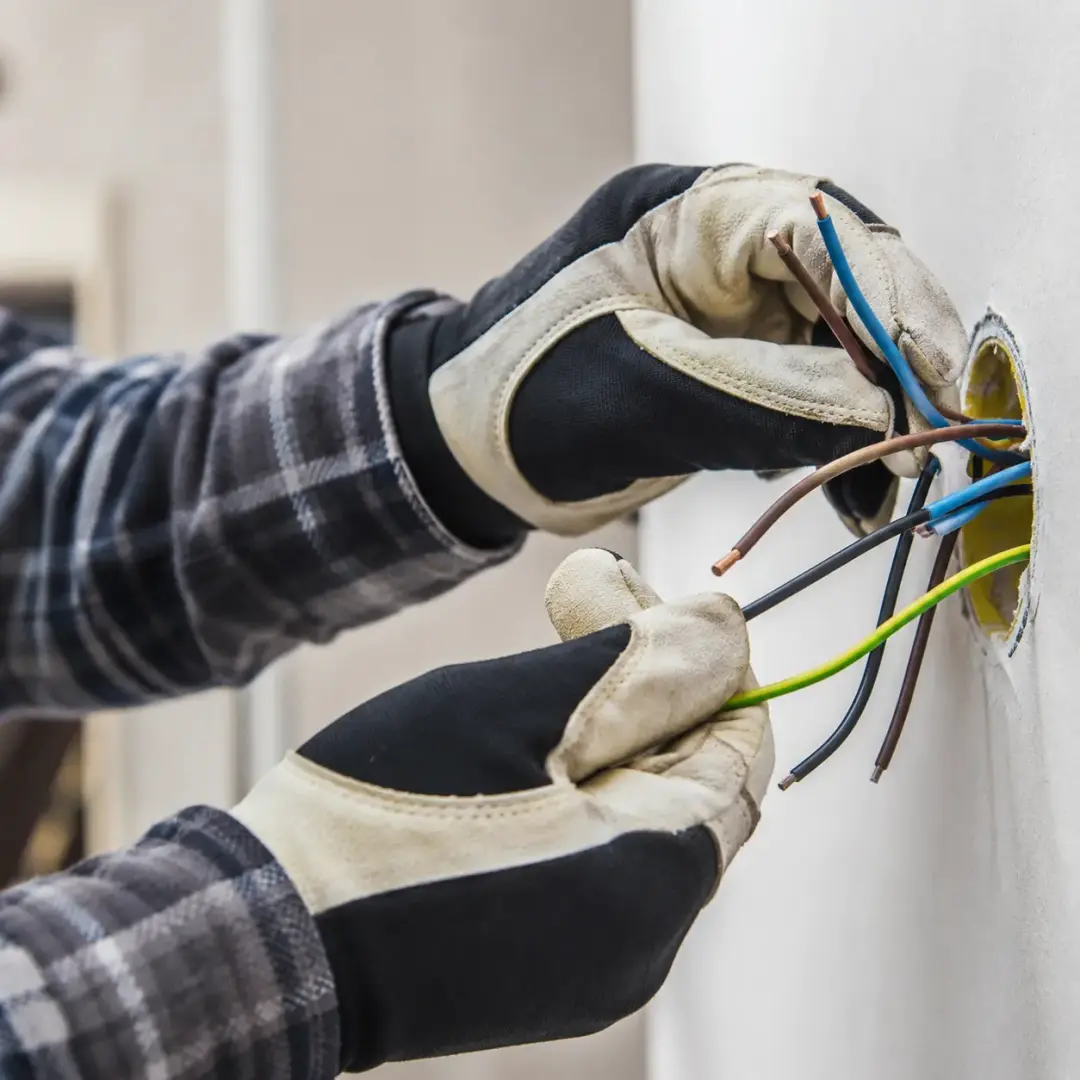
Screws, pests or deterioration can damage fixed wiring. Elsewhere, small leakage currents from several items can add together under a shared RCD. A seemingly random problem may follow a timer, heating cycle or combination of appliances rather than one obvious trigger.
These possibilities require measurements. Electrical rewiring may be appropriate for extensive cable damage, but an isolated defective joint or appliance does not justify a whole-house rewire. An RCD must not be bypassed to keep the lights on: its protective role needs preserving.
When trips keep returning
Stop repeatedly resetting a device that will not stay on. Leave the affected circuit off and contact an electrician. Never remove covers, use higher-rated fuse wire or hold a switch in position. Burning smells, heat damage, crackling and shocks increase urgency.
Prepare a log of times, rooms, appliances and weather. A photo of the closed board and labels can explain symptoms without opening it. If there is smoke or fire, leave immediately and call 999. Avoid approaching the board to restore power in those circumstances.
Sources and further reading
Guidance checked on 4 November 2026. Figures retain the dates and scope of their original sources.
Summary
A trip is a protective response that needs an explanation when it recurs. For intermittent or persistent power interruptions in Bury St Edmunds, Bury Electrical Specialists can investigate affected circuits and identify the repair needed.