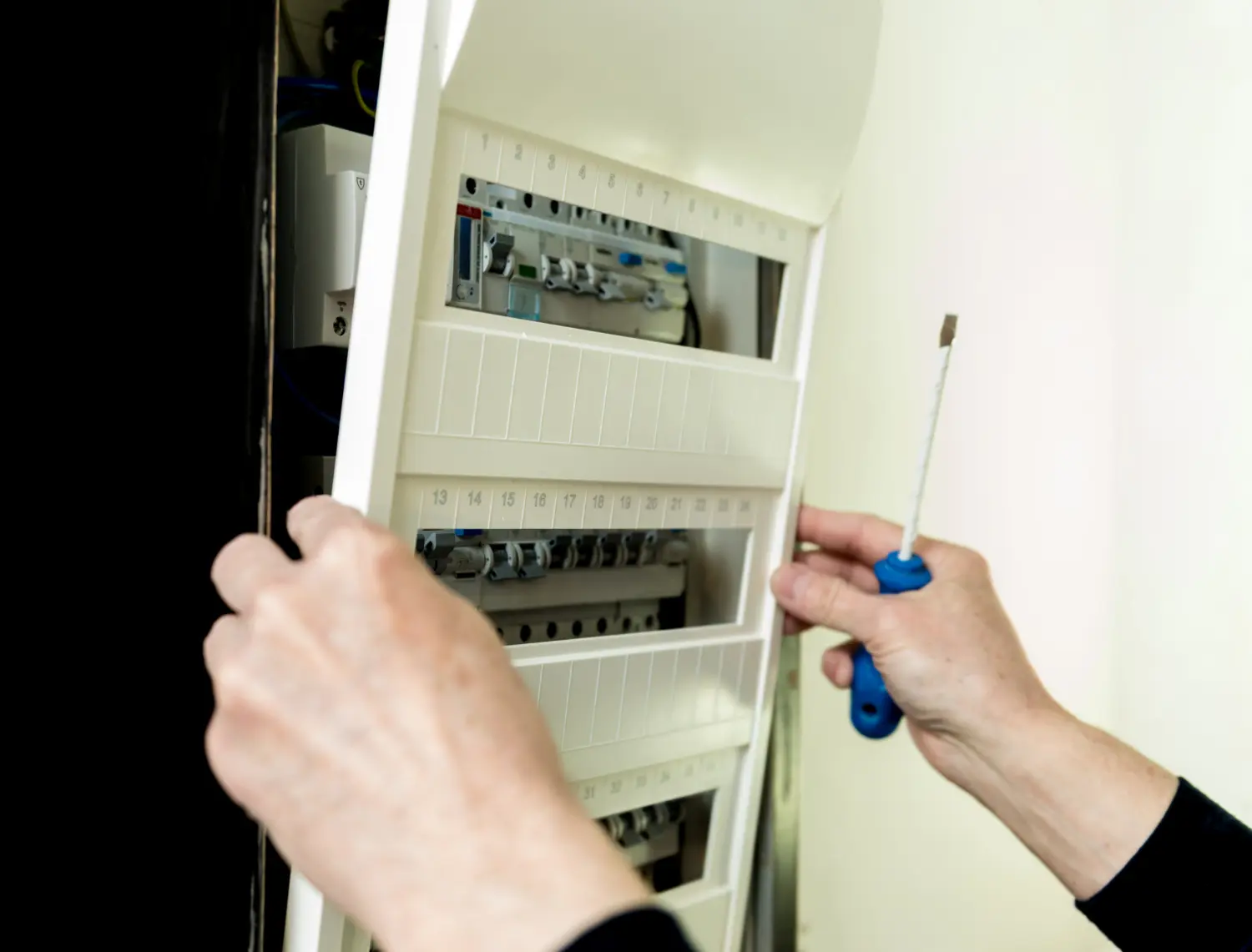
A fuse board replacement involves an initial assessment, a planned power shutdown, fitting the new consumer unit, testing connected circuits and handing over certificates. The physical installation is only part of the job. Knowing the sequence helps you prepare your home and understand why an electrician may need to address existing faults before reconnecting everything.
The survey and written quotation
Before agreeing a date, the electrician should assess the installation, including the incoming supply arrangement, earthing, bonding and circuits to be reconnected. Electrical Safety First’s current replacement guide supports investigating the installation beforehand so foreseeable defects can be discussed.
The quotation should identify the board, protective-device arrangement, testing, certification and anticipated remedial work. An inspection report can help, but the installer still needs to be satisfied circuits can be connected safely. Ask how additional faults will be explained and priced if testing reveals them. In April 2026, the IET reported that 20.1% of survey respondents did not know electrical checks were needed. IET household safety survey.
Preparing for the power shutdown
Expect electricity to be unavailable while the old equipment is disconnected and the replacement installed. Ask the contractor for the expected shutdown window for your property rather than assuming a universal number of hours. Circuit numbers, access and defects affect the programme.
Charge phones, save computer work and make arrangements for alarms, powered doors and essential medical equipment. Keep fridge and freezer doors closed and follow appliance instructions. Clear the area around the board and mention solar panels, batteries or other sources that can supply electricity.
Are you considering fuse board replacement?
Bury Electrical Specialists provides fuse board replacement and other electrical services throughout the following areas:
Practical checklist
- Clear access to the consumer unit.
- Plan essential equipment around the shutdown.
- Keep both electrical and compliance certificates.
Safe removal and fitting the new unit
The electrician establishes safe isolation before disconnecting equipment. Incoming supply arrangements sometimes require coordination with the network operator or meter provider; homeowners should never pull a service fuse themselves. Cables and circuits must be identified rather than transferred on guesswork.
The arrangement may use individual RCBOs, which combine earth-leakage and overcurrent protection. Where specified, surge protection addresses a different risk. The electrician should explain which parts of the home could lose power if a fault occurs on one circuit.
Testing before circuits return to service
Checks can include protective-conductor continuity, insulation resistance, polarity, earthing arrangements and operation of protective devices. These establish whether equipment and connected circuits function safely together. A light turning on is not a substitute for measurements.
More sensitive protection can expose previously unnoticed problems. If a circuit cannot be reconnected safely, expect an explanation and repair plan. Electrical fault finding may be needed before full supply is restored; this should be communicated rather than concealed by bypassing protection.
Certification and the handover
In England, consumer-unit replacement is notifiable under Part P. Expect an Electrical Installation Certificate with test information and relevant Building Regulations compliance documentation through the agreed notification route. These are different records, so check what will be provided and when.
Ask for a demonstration of the main switch, circuit labels and test buttons. Electrical Safety First’s household guidance advises testing an RCD using its button at intervals no longer than six months. Follow device instructions and report a device that fails to operate.
Plan useful improvements
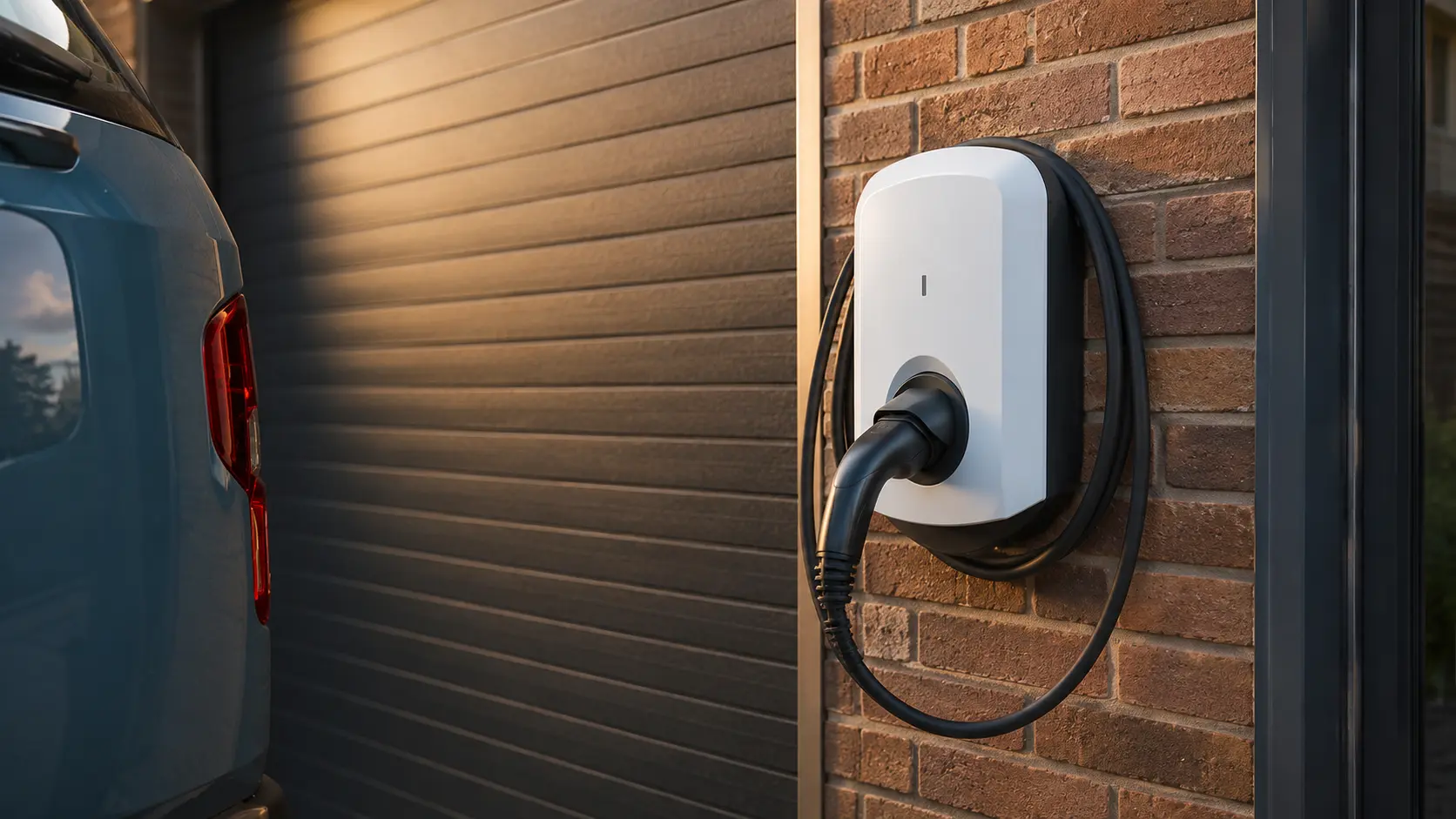
Mention future work such as EV charger installation during the survey so spare ways and circuit arrangements can be considered. A new board does not automatically increase network supply capacity, and future equipment needs its own assessment.
Before the contractor leaves, establish which circuits are energised, whether limitations remain and where certificates will be sent. Photograph the finished circuit schedule. You should understand both the work completed and anything that still needs attention.
Sources and further reading
Guidance checked on 4 November 2026. Figures retain the dates and scope of their original sources.
Summary
Good preparation makes the shutdown easier, while proper testing and paperwork make the upgrade complete. Homeowners in Newmarket can speak to Bury Electrical Specialists about the assessment, equipment and practical arrangements for a planned replacement.