
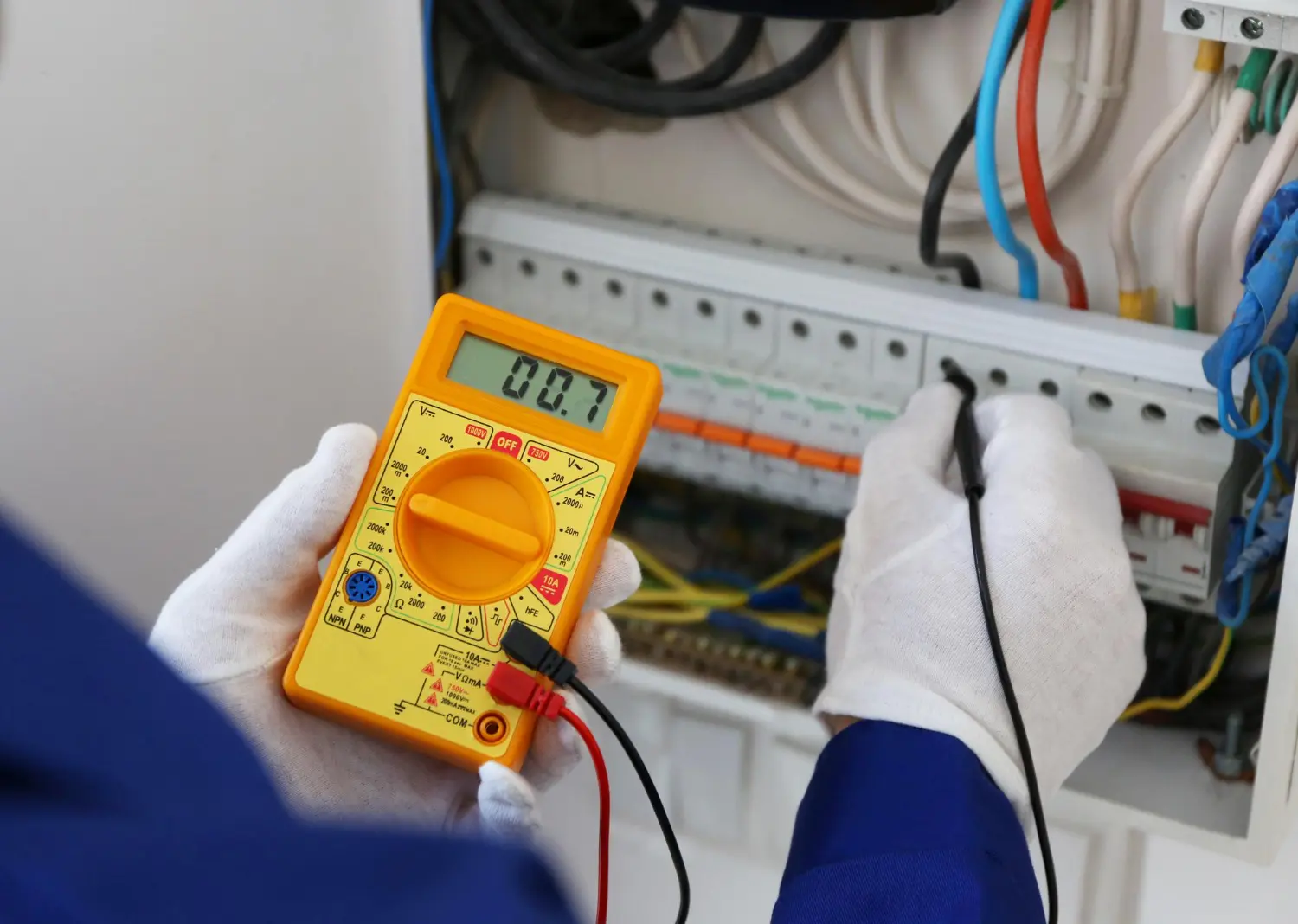
Electricians find hidden faults by combining the history of the problem, safe isolation, visual checks and targeted measurements. They narrow the search to a circuit, cable section or item of equipment before deciding what needs opening or replacing. This method is especially useful when a fault disappears before the electrician arrives.
The conversation is part of diagnosis
An investigation starts with when the problem began, what stops working and what happens immediately beforehand. Recent drilling, a roof leak, a kitchen refit or a new appliance may provide a lead. The electrician also needs to know whether the problem is constant or intermittent.
A diary can be more helpful than guessing the cause. Record time, weather, heating schedules and affected circuits without repeatedly reproducing a dangerous symptom. Keep reports and previous repair details available to distinguish a new defect from an unresolved issue elsewhere in the installation. The IET’s 2026 survey found 27% had taken apart or replaced fittings such as sockets or switches. IET findings on household electrical work.
Isolation before intrusive checks
Before exposing conductors, the electrician identifies the supply and establishes safe isolation with suitable procedures and test equipment. Solar generation, batteries and unusual circuit arrangements require care. A switch being off or a lamp not lighting is not proof that conductors are safe.
Visual checks may identify heat damage, loose accessories, moisture or cables affected by building work. Homeowners should leave covers in place. The aim is to protect everyone while gathering evidence, rather than begin by dismantling every socket in the property without a reason.
Are you considering electrical fault finding?
Bury Electrical Specialists provides electrical fault finding and other electrical services throughout the following areas:
Practical checklist
- Describe when the problem occurs.
- Mention leaks, drilling and new equipment.
- Ask for findings and repair details.
Tests answer different questions
Continuity testing checks intended conductive paths. Insulation-resistance testing helps identify unwanted paths between conductors. Polarity checks establish correct connections. Other measurements assess the earth-fault path and protective devices, with tests selected for the circuit and equipment involved.
Sensitive electronics may need disconnection or other precautions before testing. This is one reason instruments and professional knowledge matter together. A basic plug-in socket tester reveals some problems but cannot prove the entire circuit safe or replace a properly planned investigation of an intermittent fault.
Splitting circuits narrows the search
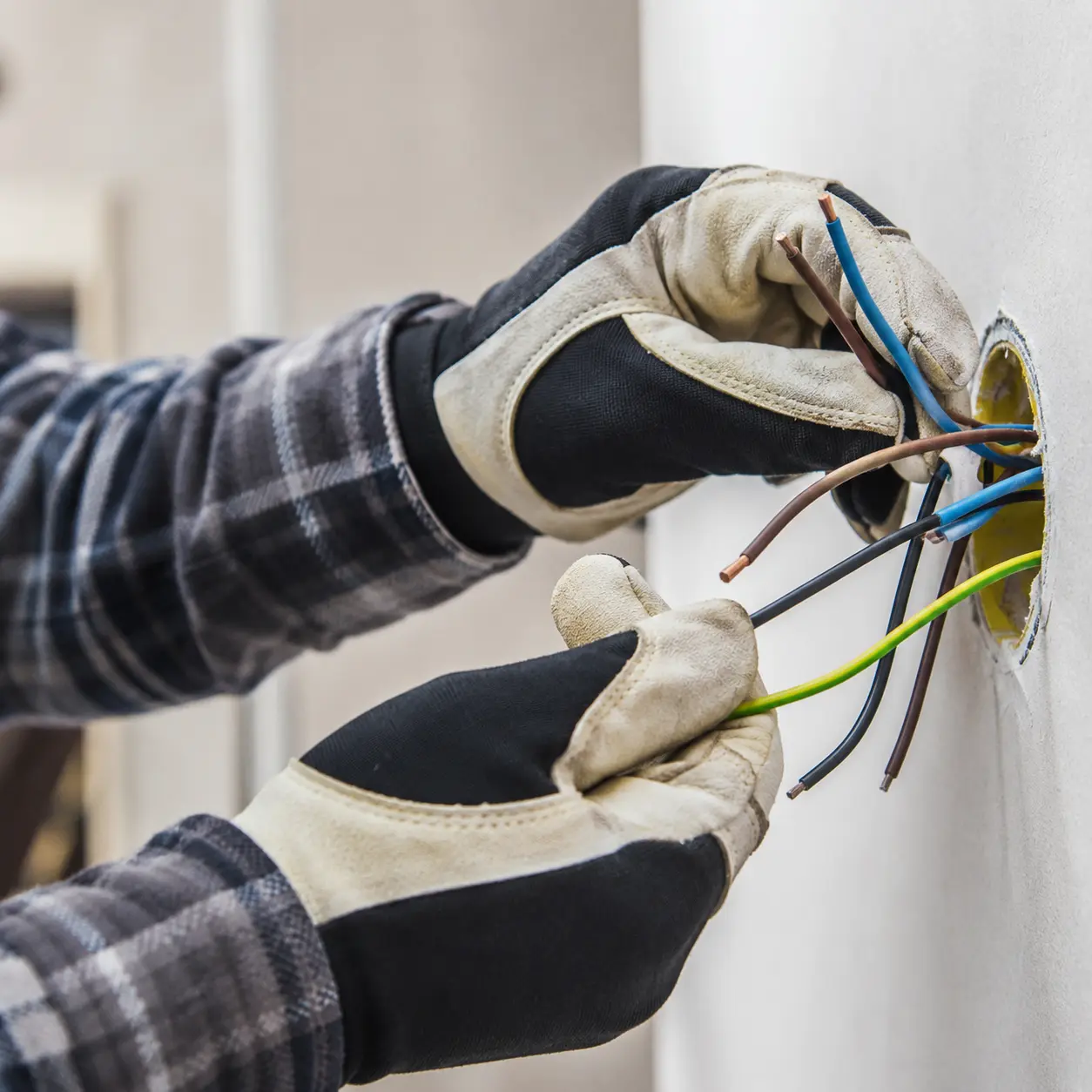
An electrician separates connected equipment from fixed wiring, then divides an affected circuit into smaller sections where appropriate. Comparing measurements helps locate the problem. This can reduce unnecessary disruption, although some access under floors or into fittings may still be needed.
A damp external fitting can resemble a buried cable fault until sections are tested independently. Where deterioration is confirmed, electrical rewiring can address the affected scope. A sound cable should not be replaced simply because it is the least visible part of the system.
Intermittent faults need the right evidence
Faults appearing during heating cycles or after rain may need timed checks or monitoring. Leakage measurements can reveal what happens as appliances start and stop. Thermal imaging can sometimes assist, but surface temperature does not identify every hidden defect.
BEAMA illustrates a nominal 30 mA RCD operating at a typical 22 mA: with 10 mA standing leakage, another 12 mA can trigger it. This is a handbook example, not a measured result in your home or a DIY testing threshold. BEAMA’s RCD handbook.
Diagnosis ends with verified repairs
The electrician should explain findings, options and limits to the investigation. Failed accessories, damaged cables and defective protective devices require different work. Fuse board replacement should follow a demonstrated need, rather than substitute for diagnosis.
Appropriate testing follows repair before normal use resumes. Ask what was found, what changed and whether any circuits remain isolated. For a home in Stowmarket, a record explaining the cause and repair is more useful for future maintenance than a vague note saying power was restored.
Sources and further reading
Guidance checked on 4 November 2026. Figures retain the dates and scope of their original sources.
Summary
Hidden faults are found by narrowing the possibilities and checking evidence at each stage. If symptoms are intermittent or the cause is unclear, Bury Electrical Specialists can discuss a fault-finding visit in Stowmarket and the information that will help the investigation.