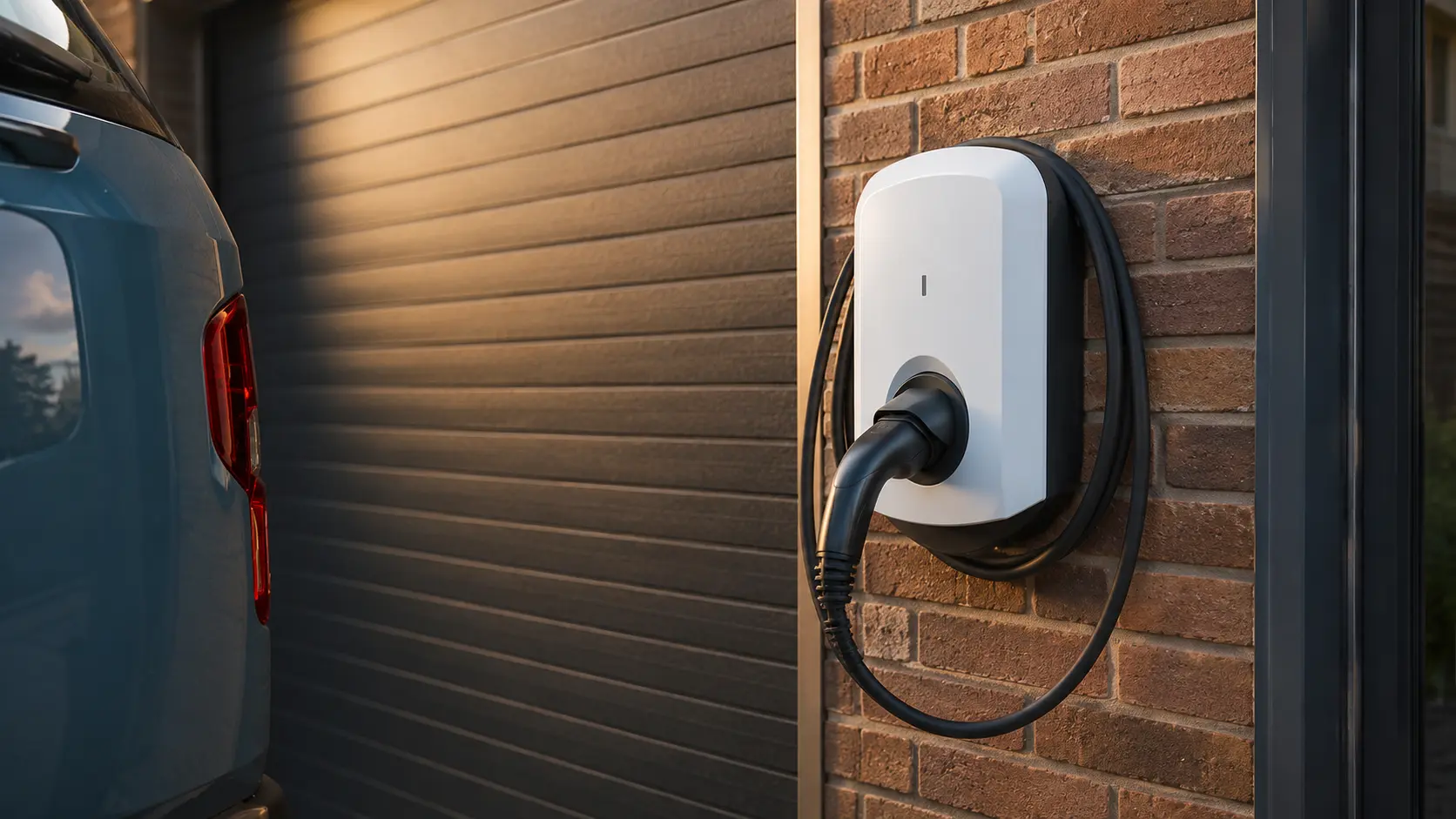

If you rent your home or own and live in a flat, an EV charger grant can cover up to £500 of an eligible installation. You need a private off-street space you have the legal right to use, an eligible vehicle and permission for the work. Get a quote and apply before installation begins.
What the grant will pay
The current scheme covers 75% of the eligible purchase and installation cost, capped at £500. On an eligible quote of £600, the grant would be £450. On a £1,100 quote it would reach the £500 cap, leaving £600 to pay. These are worked examples. Ask the installer to itemise any enabling work and show how the grant would affect the final invoice.
The Department for Transport counted 26,504 UK sockets funded through this scheme by 1 July 2026, including 9,301 in the preceding 12 months. The government lists this round of funding through 31 March 2027. Check the live scheme before committing to an installation date.
Who can apply
You can apply if you rent and live in an eligible residential property, or if you own and live in a flat, including qualifying shared ownership. A lodger living with their landlord and an owner-occupier of a house generally fall outside this particular scheme. A landlord seeking funding for their tenant's property should check the separate landlord scheme. Previous claims and some new-build installations can affect eligibility.
Check the exact vehicle against the government list. Evidence can include ownership, a qualifying lease or a vehicle on order. The charger model must also qualify, so ask for the full model name in the quote.
Looking for EV charger installation near you?
Bury Electrical Specialists provides EV charger installation in the following areas.
What counts as a parking space
A numbered bay in a shared car park may qualify if it is private, clearly defined, available to you at all times and you can prove your right to use it. An unallocated space operated on a first-come basis is a different proposition. Find the bay on the lease plan and check whether the cable can reach the car while staying clear of pedestrian or vehicle routes.
Parking rights and permission to fix equipment are separate. A bay may come with the flat while the wall, car park surface or cable route belongs to the freeholder or passes through common parts. Ask the managing agent who can approve each part of the proposed installation.
What to give your landlord or managing agent
Send the bay number, a marked-up route and an outline of where the charger would sit. Ask for written permission that covers drilling, cable clips or trenching and any requirement to make good when you move. For a listed building, check whether the local authority must give permission and have that evidence ready. If several flats could need chargers, ask whether a communal system is planned before commissioning your own.
In what order should you apply
Ask an OZEV-authorised installer for a dated quote. Gather the written permissions, a utility bill and your tenancy agreement if you rent. Submit your application online and wait for approval before the installer starts. After the job the installer submits the claim and, if approved, receives the grant directly.
If you only have on-street parking, check the separate government scheme for an approved cross-pavement solution. A parking space on the public road will not meet the private parking test for this grant.
Summary
If your home near Bury St Edmunds has an allocated bay, find the parking paperwork and take photos of the proposed cable route before arranging a quote. Ask which parts of the work the grant can cover and confirm who can sign off the route.